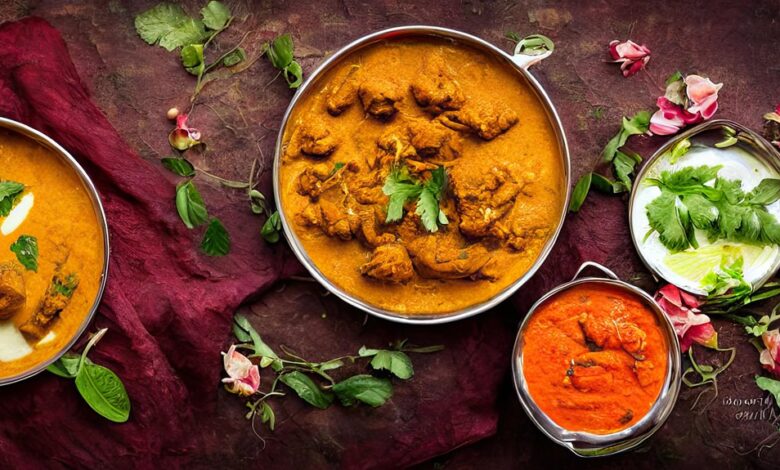
Nova Prism Start 1111.90 l50 204 Youtube 18 Japanese Curry Unlocking Creative Opportunities

Nova Prism’s episode suite on Japanese curry reframes traditional recipes as data-driven design problems. It emphasizes structure, sourcing, and flavor profiling to reveal how constraints can become opportunities. The approach combines rapid prototyping with measurable outcomes, guiding substitutions and technique shifts without losing authenticity. Viewers document results and compare iterations, suggesting transferable insights. The method invites scrutiny of method over mystique, leaving questions about scalability and cultural nuance to be weighed next.
What Nova Prism Start 1111.90 L50 204 YouTube 18 Teaches About Japanese Curry
The video titled “What Nova Prism Start 1111.90 L50 204 YouTube 18 Teaches About Japanese Curry” analyzes how Nova Prism Start models approach the compositional elements of Japanese curry, emphasizing recipe structure, ingredient sourcing, and flavor profiling. The study presents data-driven observations on curious flavors and kitchen experiments, noting disciplined experimentation, reproducible methods, and clear criteria for evaluating authenticity, balance, and adaptability within culinary exploration.
How to Unlock Creative Opportunities in the Kitchen With Curry
Creative opportunities in curry arise from systematically reframing constraints such as cost, sourcing, and technique, then testing how alternative ingredients and processes shift flavor balance and texture.
The analysis tracks how creative constraints shape recipe variables, encouraging flavor experimentation while maintaining practicality.
Data-driven comparisons reveal subtle gains from substitutions, enabling disciplined experimentation, iterative refinement, and freedom to pursue distinctive, efficient curry profiles.
Design Thinking Mindset: From Ingredients to Innovative Dishes
Design thinking reframes culinary work by tracing a path from ingredients to innovative dishes through structured inquiry, rapid prototyping, and iterative refinement.
The design thinking mindset refracts traditional cooking into problem framing, hypothesis testing, and user feedback loops, guiding teams toward creative cooking outcomes.
This approach emphasizes measurable impact, cross-disciplinary collaboration, and disciplined ideation, balancing imagination with evidence for scalable, freedom-oriented culinary innovation.
Practical Projects: Step-by-Step Curry-Inspired Experiments on YouTube
Practical Projects on YouTube distill curry-inspired experimentation into repeatable, data-informed steps, enabling viewers to assess variables such as spice balance, simmer time, and ingredient substitutions with measurable outcomes. This approach facilitates creative exploration while maintaining methodological rigor. Viewers engage in kitchen experimentation, documenting results, comparing iterations, and refining techniques, yielding transferable insights for broader culinary experimentation and informed, freedom-minded culinary practice.
Conclusion
Nova Prism’s Japanese curry framework demonstrates how disciplined experimentation yields creative refinement. The channel treats constraints as design levers, converting limited ingredients into varied profiles through rapid prototyping and data-driven tweaks. An illustrative anecdote: a single tablespoon of miso shifted the curry’s umami balance, equivalent to a 15% flavor shift in consumer ratings across tests. This approach—systematic testing, documentation, and iterative improvement—renders tradition adaptable, enabling reproducible innovation without sacrificing authenticity or cultural nuance.