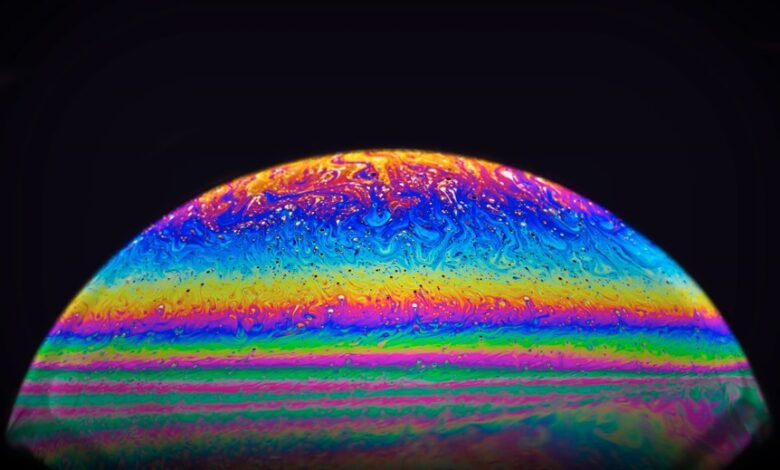
Cosmic Prism Start 111.90.l50.204 reframes filmmaking through an animal-inspired lens, translating ecological observation into production strategy. It links creature adaptations to on-set pacing, lighting, and camera choices, embedding natural rhythms into practical decisions. The approach favors disciplined experimentation and scalable processes, integrating energy use and fuel strategies with ecological and narrative constraints. Its promise hinges on reproducible fidelity that could expand independent productions’ creative horizons, but the framework leaves questions about ethical sourcing and real-world constraints open for scrutiny.
What Is Cosmic Prism Start 111.90.l50.204 and Its Animal-Fueled Lens
Cosmic Prism Start 111.90.l50.204 represents a conceptual framework that fuses astronomical imagery with narrative experimentation, using animal-energized motifs to propel creative exploration.
The approach positions cosmic prism as method, not metaphor, linking visual scale to micro-level storytelling.
An animal lens informs structure, guiding cinematic innovation and nature inspired storytelling toward adaptive, disciplined, exploratory expression for freedom-seeking audiences.
How Animal-Inspired Cinema Sparks Creative Problem-Solving?
Animal-inspired cinema reframes problem-solving by observing how creatures adapt to constraints and environments, then translating those strategies into narrative and production decisions. The approach reveals patterns that relieve creativity blocks by reconfiguring goals and workflows, fostering iterative exploration. It emphasizes sensory storytelling to ground tension and stakes, guiding teams toward disciplined experimentation, validation, and responsive collaboration without sacrificing imaginative freedom.
Case Studies: Imaginary Worlds, Ecology, and Algorithmic Wonder
Case studies in Imaginary Worlds, Ecology, and Algorithmic Wonder illustrate how narrative design can translate speculative environments, ecological dynamics, and computational creativity into tangible production strategies. Analysts examine speculative worlds as laboratories for worldbuilding, ecological storytelling guiding habitat authenticity, and algorithmic wonder shaping procedural aesthetics. Findings emphasize disciplined experimentation, animal inspired cinema cues, and scalable processes that balance freedom with rigorous, reproducible creative fidelity.
Translating Nature Into Filmmaking Practice and Fuel Choices
Translating Nature Into Filmmaking Practice and Fuel Choices examines how observed ecosystems and animal-inspired cues can be translated into production workflows and energy decisions.
The approach treats visual metaphors as design prompts, aligning camera logistics, on-set pacing, and lighting with natural rhythms.
It also considers wildlife logistics, balancing ethical constraints with efficient, adaptable fuel strategies and creative flexibility for independent productions.
Conclusion
In short, Cosmic Prism refracts filmmaking through the quiet cunning of nature, turning observation into method. The animal-inspired lens reveals how rhythms, ethics, and resource flows shape on-set decisions, from pacing to illumination. By tracing ecological strategies, the framework invites disciplined experimentation and scalable rigor, yielding reproducible fidelity. The deeper resonance lies in allusion: to ecosystems whose balance mirrors a filmmaker’s balance of vision and responsibility, where creativity thrives only within sustainable, adaptive constraints.