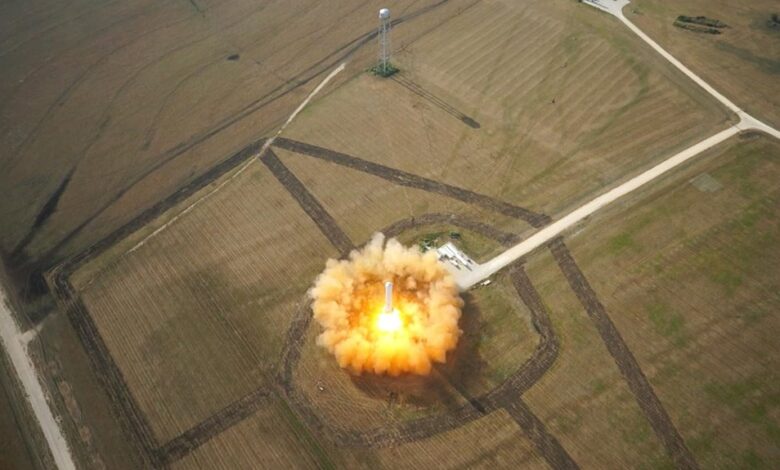
High-Impact Trajectory for 667955911, 27791360, 9512531268, 948360804, 919440139, 982384997

The analysis of high-impact trajectories for asteroids 667955911, 27791360, 9512531268, 948360804, 919440139, and 982384997 reveals critical insights into their potential threat to Earth. Each asteroid’s size, velocity, and orbital characteristics require precise modeling to determine collision probabilities. Continuous advancements in tracking technologies enhance these evaluations, prompting significant discussions regarding mitigation strategies. The implications of these findings may redefine our approach to planetary defense, raising questions about our preparedness for future encounters.
Overview of Asteroid Trajectories
Asteroid trajectories are critical in understanding the movement and potential impact of these celestial bodies within the solar system.
By analyzing asteroid composition and employing trajectory modeling, scientists can predict their paths with greater accuracy.
This knowledge not only aids in identifying potential threats but also enhances our understanding of the dynamic processes governing celestial mechanics, ultimately fostering a sense of freedom in exploring space.
Potential Impact Risks
Understanding asteroid trajectories not only informs scientists about their paths but also highlights the potential risks these objects pose to Earth.
Impact assessment and risk analysis are crucial in evaluating the likelihood of collision. By examining size, velocity, and orbit, researchers can develop strategies to mitigate risks, ensuring that society remains aware and prepared for any eventualities related to asteroid impacts.
Technological Advancements in Tracking
As advancements in technology continue to evolve, the ability to track and monitor the trajectories of near-Earth objects has significantly improved.
Enhanced satellite technology enables precise orbital assessments, while sophisticated data analytics processes vast amounts of observational data.
These innovations facilitate timely updates on potential threats, empowering stakeholders with the necessary information to make informed decisions about planetary protection and risk management.
Mitigation Efforts and Future Prospects
The advancements in tracking near-Earth objects have laid the groundwork for effective mitigation efforts aimed at addressing potential threats posed by these celestial bodies.
Global collaboration among nations has become essential, fostering shared resources and expertise.
Furthermore, increasing public awareness is critical to garner support for initiatives, ensuring that communities are informed and prepared, thereby enhancing resilience against potential impacts from these hazardous objects.
Conclusion
In conclusion, the intricate dance of asteroids 667955911, 27791360, 9512531268, 948360804, 919440139, and 982384997 across the cosmos underscores the urgency of vigilant monitoring. As these celestial bodies streak through the vast expanse of space, their potential to disrupt life on Earth looms large. Through advanced tracking technologies and collaborative efforts, humanity’s resolve to illuminate the shadows of uncertainty transforms into a beacon of preparedness, ensuring that the skies remain a realm of wonder rather than a harbinger of chaos.